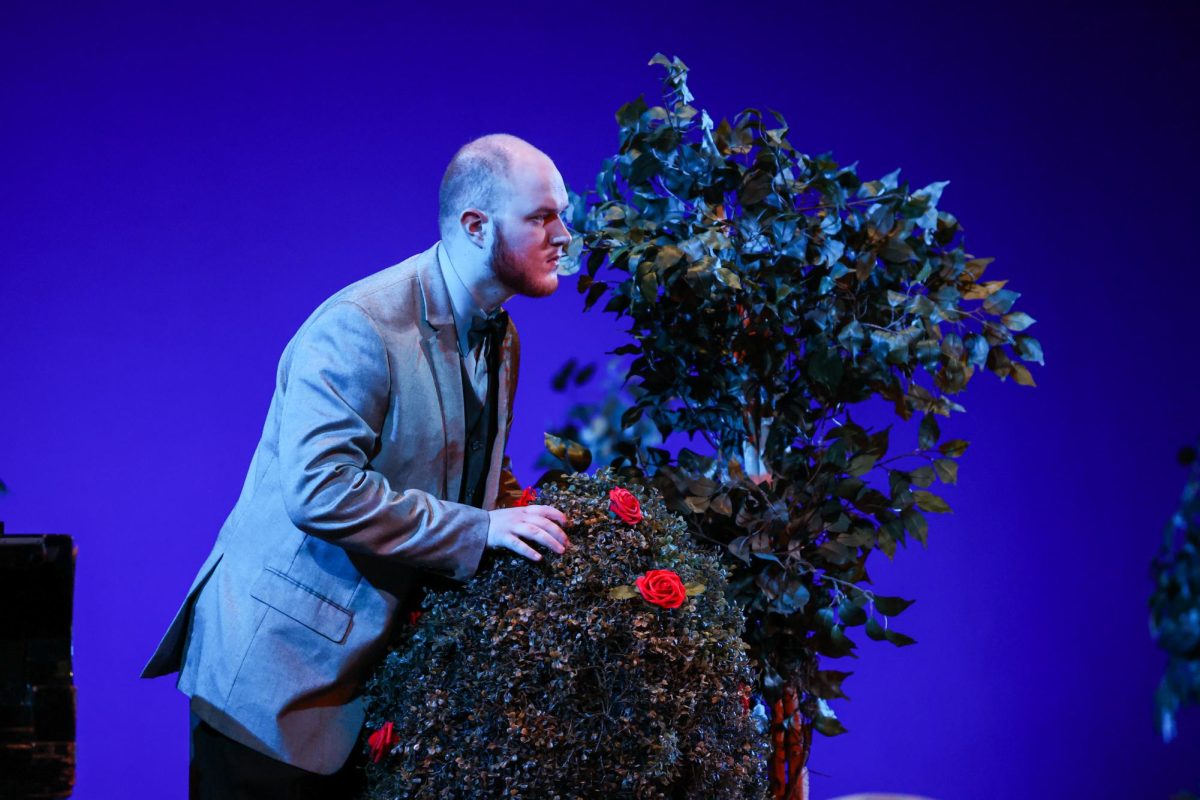
The lights dimmed as the curtain rose to reveal the cluttered setting of a hotel casino set in Las Vegas. After weeks of preparation, the well-rehearsed cast of “The Marriage of Figaro” finally took to the stage on Friday, Jan. 30, and Sunday, Feb. 1, to perform a 90-minute adaptation of this famous opera at Hofstra University’s John Cranford Adams Playhouse.
With a total of four acts, the opera opens with Figaro happily measuring the new space given to him by the Count. The scenes that follow depict issues between the characters, like Susanna – who plans to marry Figaro – and Marcellina – who has the power to marry Figaro if he does not pay the money that he owes her. This conflict continues along with other plot lines that get resolved in Act 4, like the Countess’ discontent with her husband and the Count’s eagerness to go after Susanna.
The performance came together through the vision of Alex Paul Sheerin, artistic director of Hofstra’s Opera Theater and the stage director for the production of “The Marriage of Figaro.”
“The real ‘Marriage of Figaro’ takes place in the 1700s in a castle and a kind of a period set, but to me, the whole piece is really about class structure and kind of the hierarchy of the castle,” Sheerin said.
Using the original Mozart piece, Sheerin created a modern version of the opera with lines sung in Italian and subtitles presented above the stage in English. This new version included a casino “with the casino owner kind of acting as the Count, and everyone kind of falling below the chain,” Sheerin said.
Along with Sheerin’s creative direction, Violetta Zabbi was the show’s music director and pianist.
“She is a very talented pianist and musical director,” said junior music education major Rishi Patel. “She’s directed countless operas. She’s worked with professionals, students and children. She’s taught piano, she’s taught voice, she’s taught quite literally everything and she’s a very kind person. She’s been very understanding in meeting everyone where they are at. I personally have never sung Italian, and she was able to help coach me through it.”
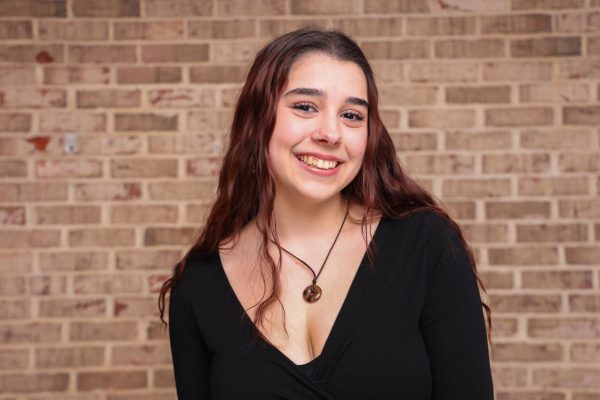
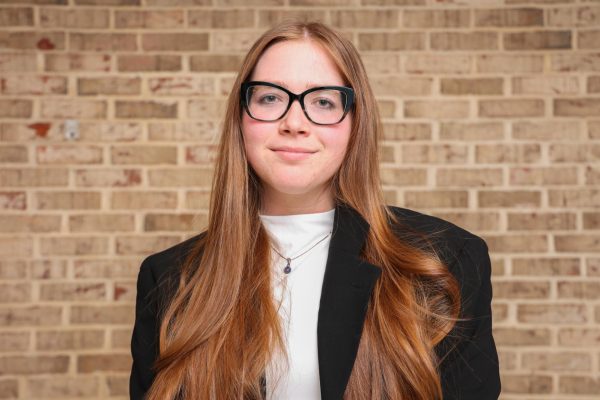
Mia Remeika and Ali Kosteck, two freshmen studying music education, shared what it was like to perform in “The Marriage of Figaro.”
“As a freshman, it’s a huge privilege to be a part of this production,” Kosteck said. “I’ve learned a lot by watching and listening to my older peers and more experienced opera performers. This is my first time in the opera, and I couldn’t have asked for a better production team and group of castmates to work alongside.”
Preparations for the performance began last fall semester and carried on throughout the winter term.
“It was a lot of learning music on my own, listening to recordings and plunking out notes over and over again, and then studying the [International Phonetic Alphabet] and all of the translations to really get the feeling of the songs,” Remeika said. “Finally, we came together and worked on everything as a whole group.”
The students involved in the play arrived at the university in January before most of the other students returned to campus.
“A week [after the cast arrived on campus] I started staging rehearsals, so we’ve been here for about three weeks – pretty much every day – putting the show together,” Sheerin said. “I just love watching the students who have never been a part of an opera before get to experience what it’s like to sing a role like this – [a role] that’s been done [and] that was created over 300 years ago – get to do it today and get to put their own spin on it and see their own ideas.”