
Right-wing political activist Charlie Kirk was assassinated on Wednesday, Sept. 10, while giving a speech at Utah Valley University. His death is an example of how isolated instances of political violence are ineffective.
Kirk loomed large in death. President Donald Trump called him an American hero and his funeral drew over 200,000 people. By dying through assassination, he was cemented as a martyr. Turning Point USA, now headed by his widow Erika Kirk, received 54,000 inquiries about starting new chapters the week after his death, according to the New York Times. Without Kirk at the helm, everything he was a part of lived on just fine. Killing Kirk did not cut off the right-wing fascist head, in fact, it barely nicked the ear.
That is not to say assassinations are meaningless, there are many things Kirk’s assassination did do, like giving the Trump administration a reason to target the left end of the political spectrum. Trump blamed radical left terrorists for the attack, and Vice President J.D. Vance, while hosting the first installment of Kirk’s show following his death, suggested targeting the Ford Foundation and Open Society Foundations, both left-leaning political groups. Historically Black colleges and universities also became targets of online death threats, according to CBS News, despite the only known suspect being white. Something Kirk’s assassination failed to do is protect the very communities he antagonized with his racist and right-wing rhetoric.
The same is true on the opposite side of the political spectrum. Vance Boelter was indicted on charges connected to the murder of Minnesota state Representative Melissa Hortman and her husband and the attack on state Senator John Hoffman and his wife. Authorities say Boelter had a list of potential targets, including more lawmakers and abortion rights activists. In this case, the victims were not martyred in the same way as Kirk. The abortion rights the lawmakers stood for did not crumble with them; similarly, Kirk’s beliefs will persist after his death. Minnesota still maintains a person’s “fundamental right to reproductive freedom.” Killing one person cannot change an entire system.
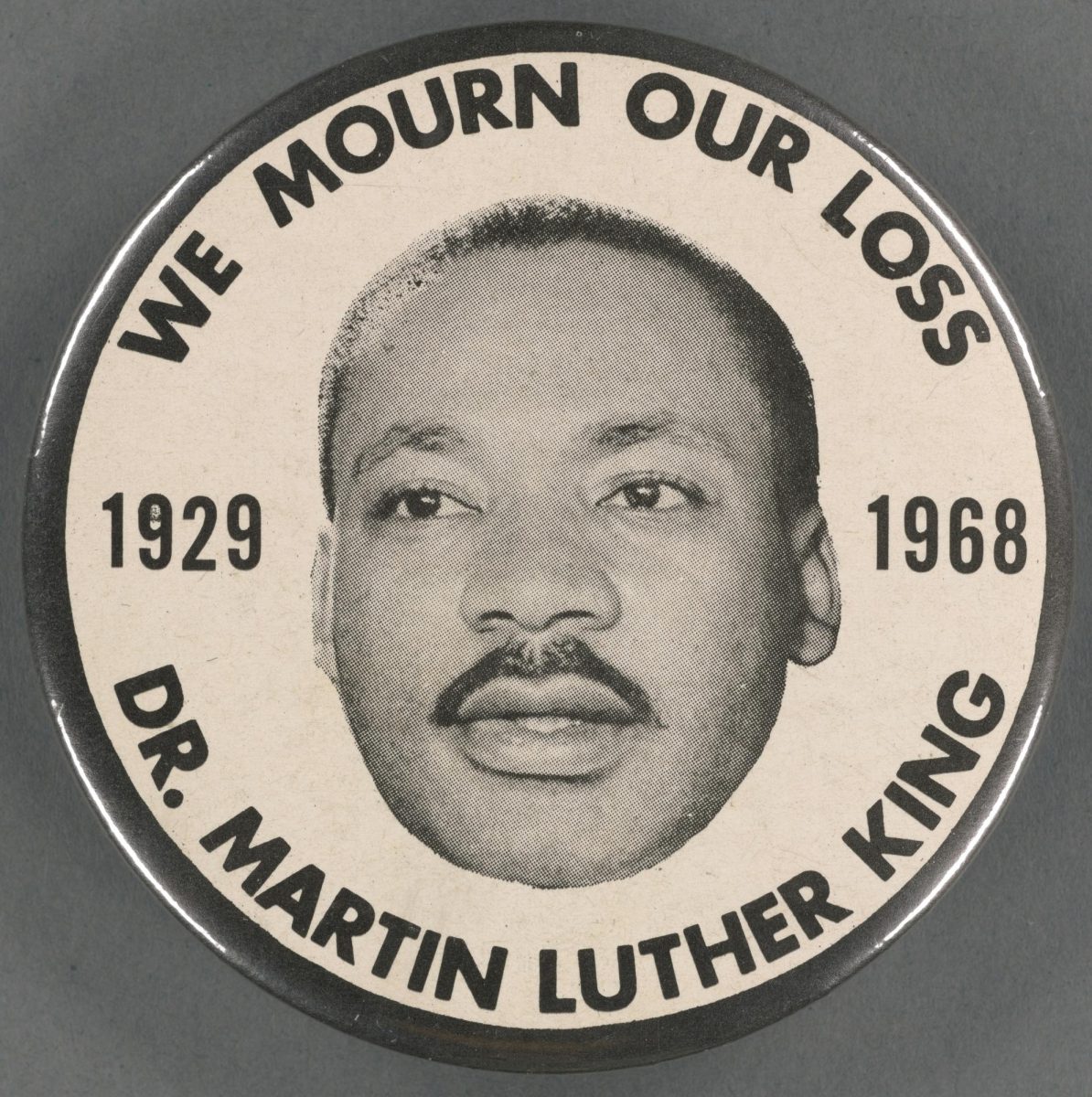
The only way to enact change is through years of focused work among thousands of people. The Civil Rights Movement lasted for about 20 years and benefited from key leaders, but the people who unified with them gave their words and actions weight. Rosa Parks’ refusal to give up her seat on the bus led to the Montgomery Bus Boycott from 1955-1956, which included 40,000 Black bus riders. Martin Luther King Jr.’s March on Washington drew 250,000 protestors in 1963. That is not to mention every parent, sibling and friend that supported these demonstrators when they came home.
The assassination of King and other civil rights leaders did not kill the movement because it was filled with dedicated people too strong and too connected to give up in the face of hardship.
Ruby Bridges, The Little Rock Nine and James Meredith all showed courage in being the first Black people to integrate within their elementary school, high school and college, respectively. These people were all protected by some form of federal officer, showing that violence and the threat of force, in the aims of a political agenda, is sometimes necessary. The difference between these officers and assassins is the officers are working in a community and they exist in the defense of outside perpetrators of violence; they are not instigators.
What the Civil Rights Movement had that individual assassins do not is community and organization; without those things, change cannot be made. People are needed to protest; community support is necessary. When there are setbacks, leaders organize people and followers inspire others to join the movement. Systems only crumble in the face of other systems. Shortcuts, like murder, do not do much because they mistake one person for the entire system. These killings were ineffective because the victims had a community behind them. To enact change, the opposers must be more unified than what they are fighting against.
A person with a gun cannot change the world, and that is a good thing. Continuous concentrated effort from thousands of people toward the same goal can push the world into new eras.






Einstein • Oct 30, 2025 at 9:46 pm
“A person with a gun cannot change the world, and that is a good thing.” – I have a two word response, Gavrilo Princip.