Social media has glamorized “lifestyle” routines so much that we have lost sight of what “healthy” truly is. The romanticization of obsessive behaviors regarding exercising, eating and the way our bodies look has been normalized in modern culture. This has caused people to lash out on those they deem “unhealthy,” despite knowing little about their extraneous circumstances. As a society, we have become so obsessed with the way we look that we have used health as an excuse to be fatphobic.
When you open the comment section of a bigger person’s social media posts, you have to brace yourself for the hatred that has been posted. Despite a video having little or nothing to do with health, people feel the urge to comment about the appearance of a person, shaming them for being “unhealthy.” If the comment is not outright hateful, it is extremely backhanded. Despite knowing nothing about the lifestyle of a person, people comment about their health when all they can see is a person’s looks.
Social media has become obsessed with commenting on other people’s appearances and those in the limelight get the brunt of it. Musician Lizzo has always been outspoken about her lifestyle, showcasing what she eats and her workout routine. Despite showing her healthy habits, people often shamed her for living an “unhealthy” lifestyle and for her body in comment sections. Recently, Lizzo lost a lot of weight and people are switching from making fun of her to becoming a fan, all because her body aligns more with society’s beauty standards.
Conversley, when a public figure gains weight, they are shamed by the public. Pop star Lana Del Rey, whose weight changes have been the subject of criticism and praise, has opened up about the bodyshaming that she received from other artists.
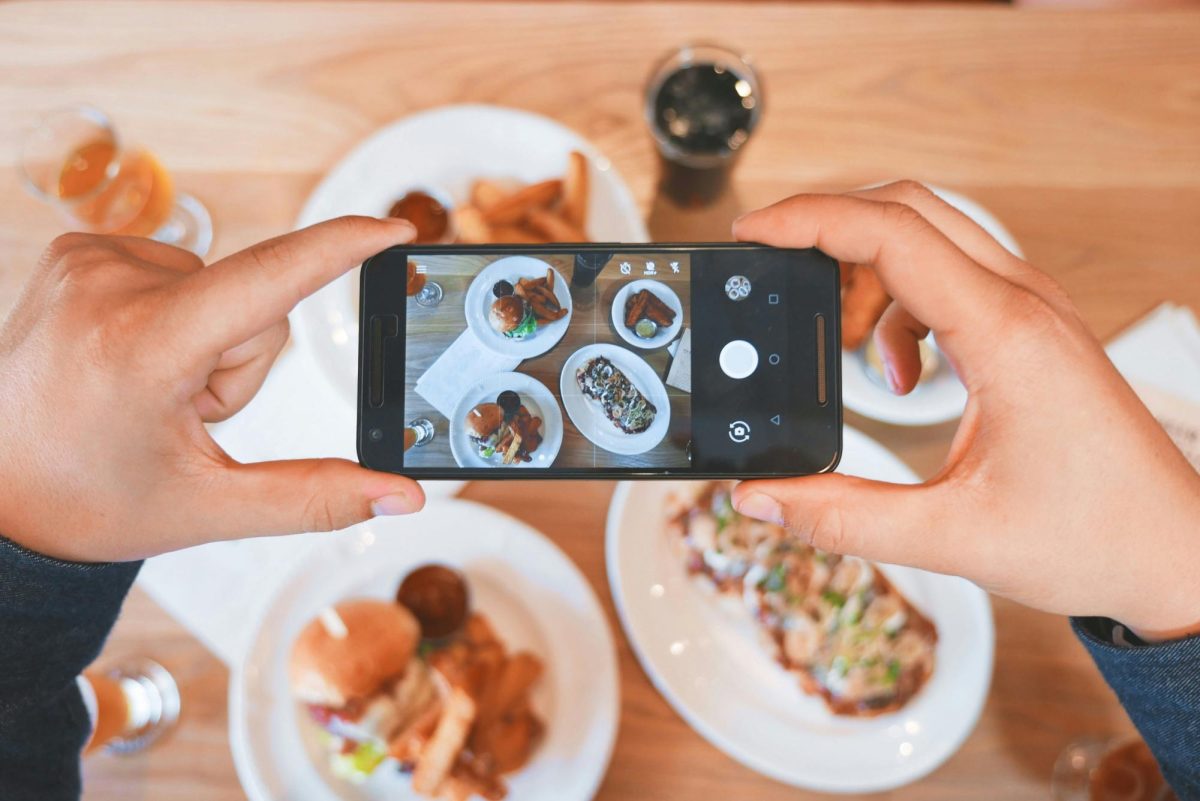
“What I eat in a day” videos have been flooding most people’s feeds and gaining a lot of traction, especially videos that contain someone eating in an extreme calorie deficit. When a bigger person eats very little food, they are praised in the comment section for their hard work. In reality, the comments are enforcing bad habits by praising them for doing unhealthy things.
The reinforcement of these obsessive starvation behaviors as well as excessive exercising is only making matters worse. This can lead to bigger issues like eating disorders, body dysmorphia and other mental health issues. If someone truly cares about the health of another person, they will not reinforce behaviors that can cause problems down the road.
When a very thin person eats at McDonald’s for every meal, no one bats an eye, despite it being a very unhealthy lifestyle choice. However, if a larger person did this, people would feel the need to call out how unhealthy their eating habits are. Not only is there a double standard when it comes to the actual health of a person, but it also proves that we only care about fitting into a certain societal mold when it comes to looks and do not actually care about health.
As a society, we care so much about how people look that we fixate on others’ lifestyles instead of focusing on our own. When a person loses weight, people go from hating to loving at the snap of a finger. This sudden change is always in relation to how a person appears on the outside, never about how a person feels on the inside. If a person loses weight due to depression or an eating disorder, they still get praised, despite it not being a good way to do so. If a person looks good, people completely throw the health aspect out the window.
While health is an important aspect in our lives that we should be conscious of, it is never okay to use it as a reason to be hateful towards other people. Looking out for other’s health should not be an excuse for being fatphobic. We should focus on actual healthy habits and promote content that showcases this instead of enabling someone’s obsessive eating behaviors and spreading hatred.