When tensions flare in the Strait of Hormuz, the headlines usually focus on oil prices, tanker seizures or the risk of military escalation. But for much of the world, especially countries in the Global South, the crisis reveals something deeper and far more unsettling: a system where energy security is unevenly distributed and structurally unfair.
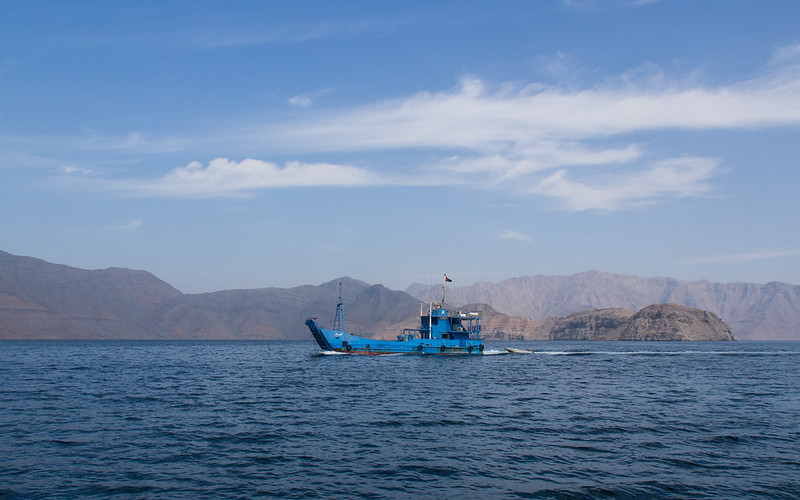
The Strait of Hormuz is one of the world’s most important oil chokepoints: a narrow waterway which roughly a fifth of global petroleum passes through each day. Even minor disruptions can ripple across global markets, and those ripples do not land evenly. Wealthier nations have the tools to cushion the blow. Many countries in the Global South do not. While it may be tempting to frame this as a simple story of “dependence” on imported oil, one must understand the real issue is control. Countries across South Asia, Africa and parts of Latin America rely heavily on imported fuel, yet they have little influence over how that fuel is transported, priced or secured. When a crisis unfolds in the Strait of Hormuz, decisions are made far from their borders, but the consequences arrive quickly at their pumps.
According to the U.S. Energy Information Administration, disruptions in key oil transit routes can trigger immediate price volatility. For wealthier economies, this often translates into higher costs that can be absorbed through subsidies, strategic petroleum reserves or diversified energy portfolios. For lower-income countries, however, the same price spike can strain national budgets, increase inflation and deepen existing inequalities.
Take fuel subsidies, for instance. Many Global South governments already spend significant portions of their budgets keeping fuel affordable for their populations. When oil prices rise suddenly, they are forced into difficult choices: increase subsidies and risk fiscal instability or pass costs onto citizens and face public backlash. Neither option is sustainable. Meanwhile, wealthier countries have built buffers over decades. Strategic reserves allow them to release stored oil during crises; advanced financial systems enable them to hedge against price fluctuations and investments in renewable energy and alternative supply chains provide additional flexibility. These are not just economic advantages, they are forms of resilience that most Global South countries have not been able to develop at the same scale.
The Strait of Hormuz crisis also highlights another layer of vulnerability: limited crisis management capacity. When supply chains are disrupted, countries with stronger diplomatic ties, naval capabilities or influence in global institutions are better positioned to respond. Others are left reacting to decisions they had no role in shaping.
This imbalance is not accidental. It reflects a global energy system built over decades, where infrastructure, investment and political power have been concentrated in certain regions. As a result, the Global South remains exposed, not because of poor policy choices alone, but because of structural constraints embedded in the system itself.
So what does this mean going forward?
First, energy vulnerability needs to be recognized as a global inequality issue, not just a technical or economic one. Discussions about energy security often focus on supply and demand, but they should also address who controls the system and who bears the risks. Second, there is a need for greater investment in energy diversification in the Global South. Renewable energy offers one pathway, not only for sustainability but also for reducing dependence on volatile global oil routes. However, this transition requires financing, technology transfer and international cooperation in areas where support has often fallen short. Finally, global institutions must play a more active role in leveling the playing field. Whether through fairer pricing mechanisms, emergency support systems or inclusive decision-making processes, there are ways to reduce the disproportionate impact of crises like those in the Strait of Hormuz.
Therefore the next time tensions rise in that narrow stretch of water, it should not just be seen as a geopolitical flashpoint. It is also a mirror, reflecting how uneven the global energy system really is. Until that imbalance is addressed, crises will continue to hit the same countries the hardest, not because they are unprepared, but because the system was never designed with them in mind.