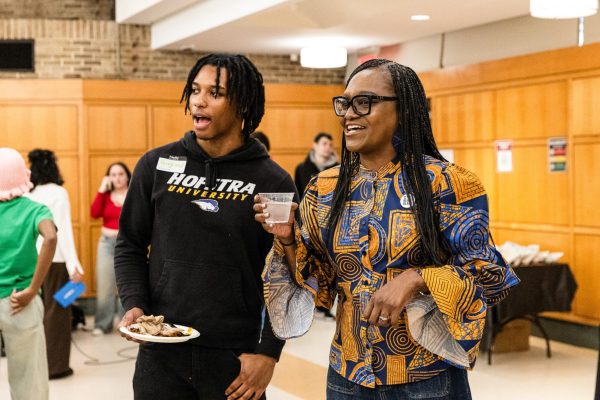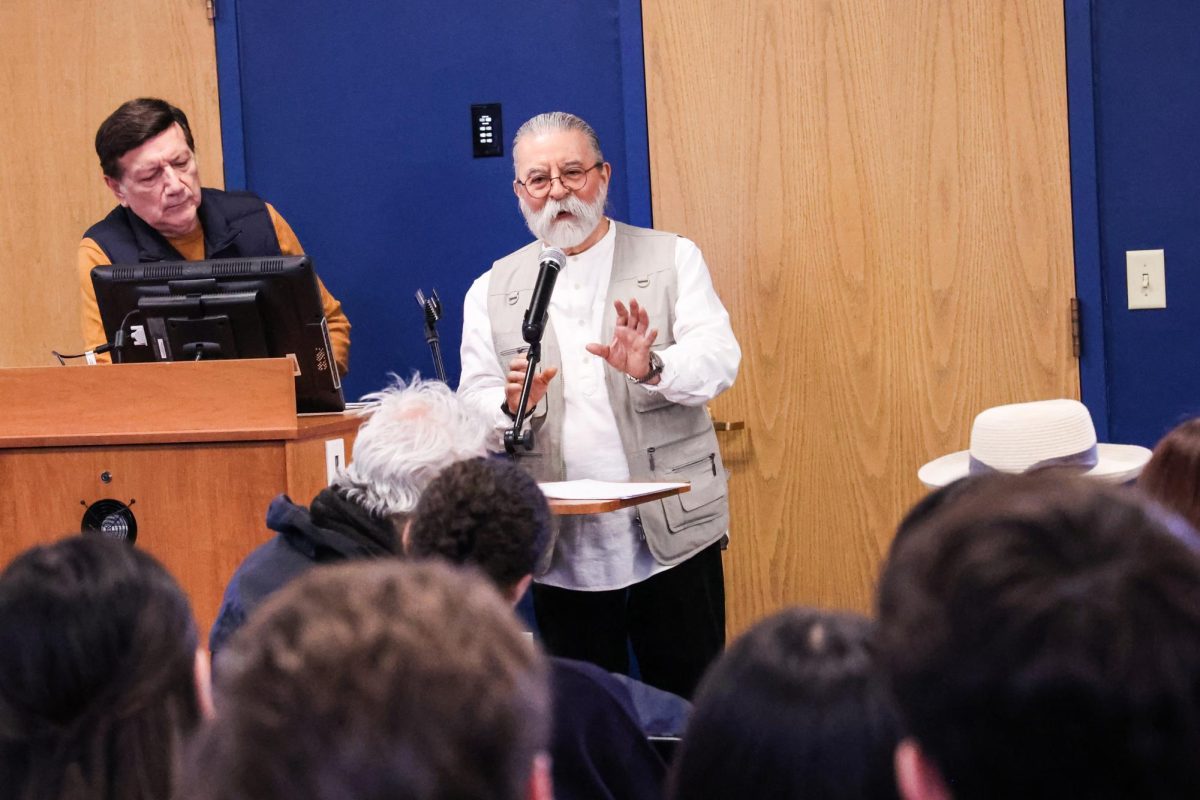
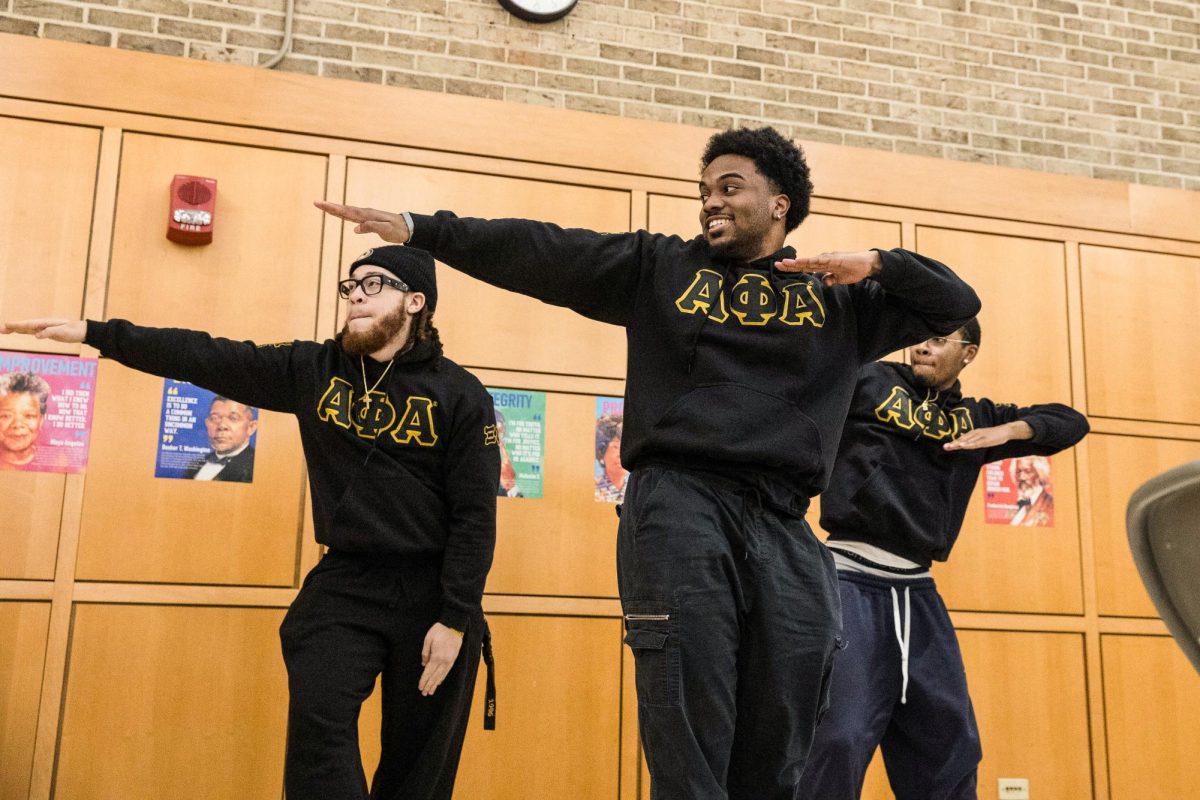
Members of Hofstra University’s community attended this year’s Black@Hofstra event on Wednesday, Feb. 11. Black@Hofstra is a campus-wide celebration of Black culture, history and identity during Black History Month.
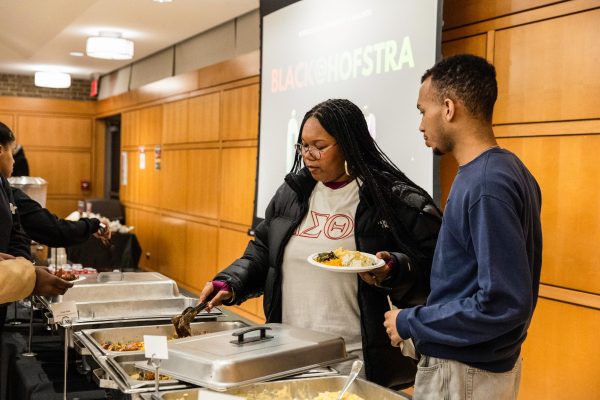
The event is a part of the Identities@Hofstra series. It opened with food and drinks which encouraged conversation and networking before the program and performances began.
Hugo Morales, director of the Office of Intercultural Engagement and Inclusion, said organizers were intentional about expanding the event through student collaboration.
“The turnout was great. From what we tracked, we had close to 140 people there,” Morales said. “The engagement felt much stronger this year.”
Morales credited the student-led organization for the increase in attendance.
“I think the student performances brought more people out because friends came to support their peers,” Morales said. “The student organizations involved also encouraged their members to attend because they helped plan it.”
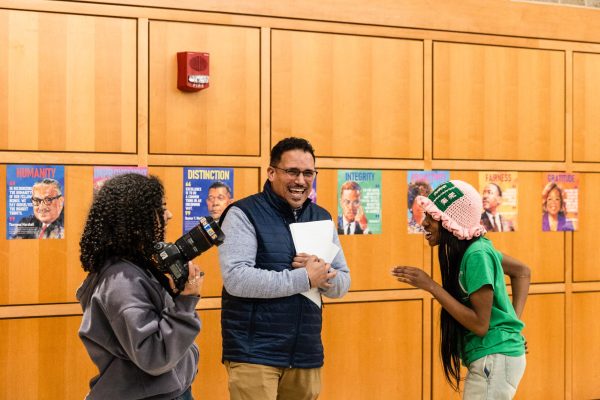
Cornell Craig, vice president for Equity and Inclusion, said institutional support is critical to maintaining that momentum.
“It’s important to have a university that shows up and produces these events,” Craig said. “It’s important that our organizations and Greek organizations thrive.”
Morales said planning began about a month before the event. Faculty organizers met with Black student organizations to design a program that highlighted their impact on campus.
“Our goal was to reach as many students as possible, and the best way to do that was by ensuring students were directly involved in the planning process,” Morales said.
The collaborations with students led to student-focused performances, education of “Hip Hop Through the Decades” and “Historical Figures” through wall displays, focus on Black-owned business via the snack selections and interactive activities such as human bingo and Black trivia. Faculty and students also partnered with Hofstra’s Student Government Association to discuss food options and worked with campus partners.
The Hofstra Gospel Ensemble started the event by performing the Black national anthem, and student poet Ashlei Williams delivered an original piece titled “What Am I Feeling.”
These performances allowed students to get a feel of what was to come later within the program while opening the floor for conversation between the performances.
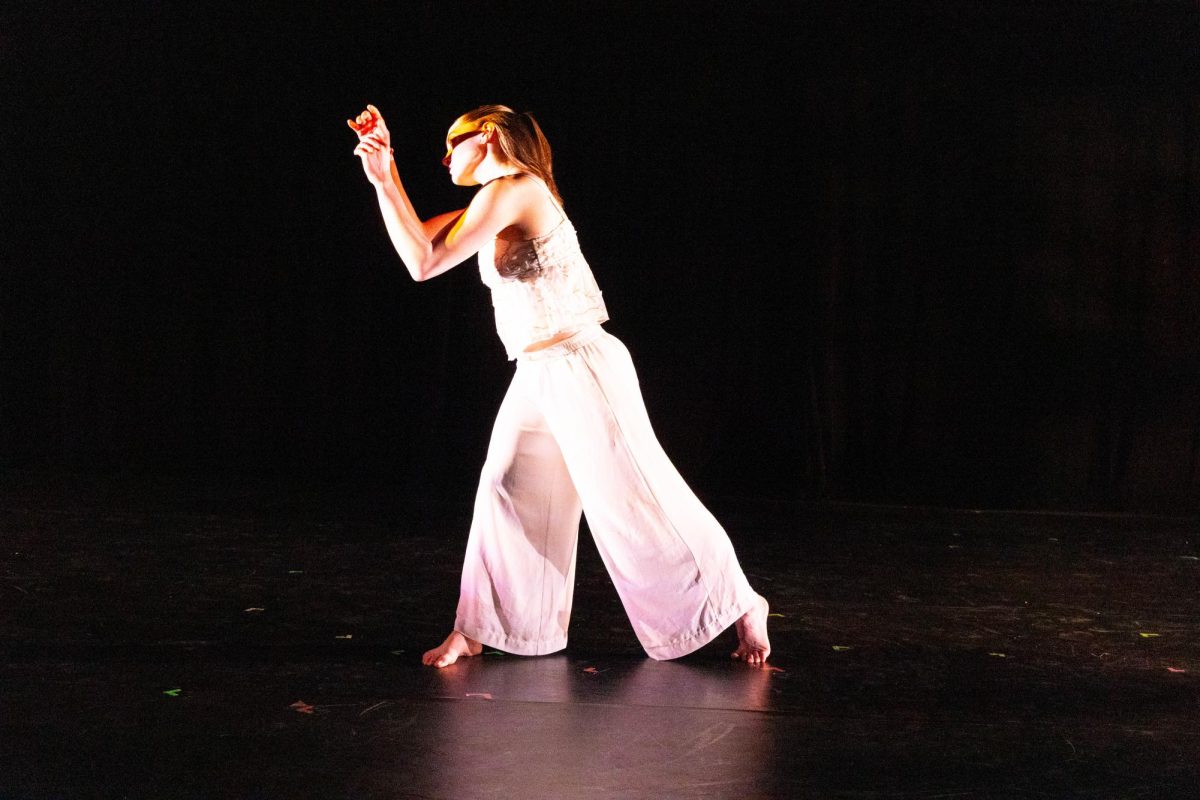
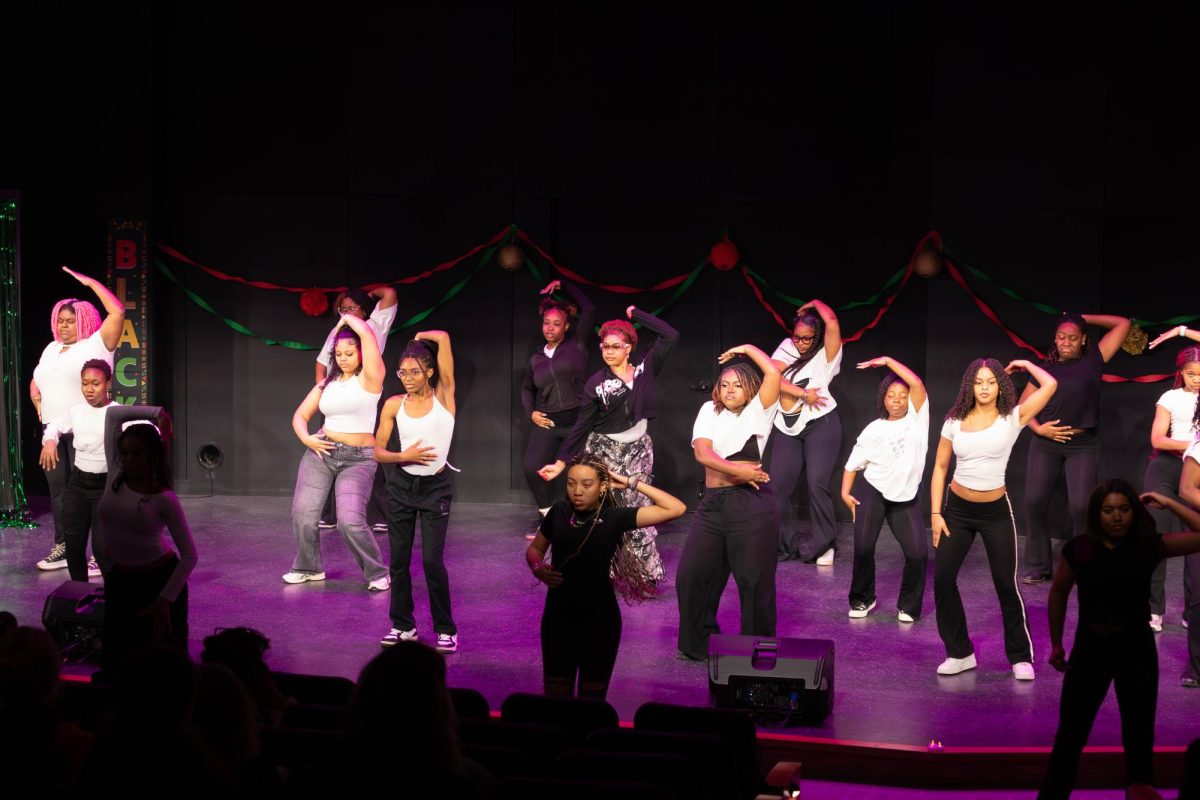
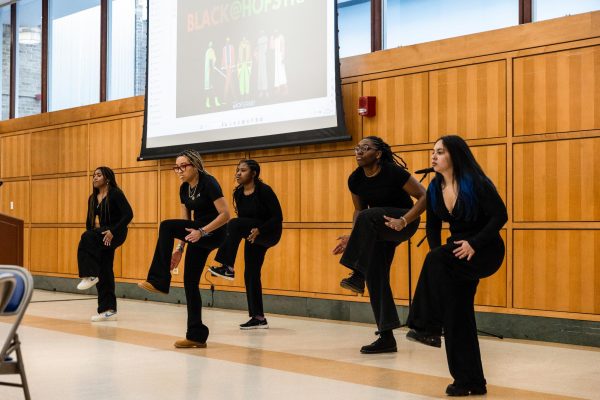
Sakari Clendinen, a senior film studies and production major, and Dayshaa Patrick, a junior psychology major, both on the Creativz dance team, performed a dance that ended with raised Black Power fists.
“We ended with the Black Power fist because it represents our people,” Clendinen said. “We’re here for Black History Month and Black people.”
Patrick said the symbolic ending was intentional, especially at a predominantly white institution.
“It’s really important that we come together, especially during this time and with what’s going on in the world right now,” Patrick said. “It’s nice to see Black students celebrating African American culture and speaking positively about ourselves.”
Craig emphasizes that visibility matters, particularly for Black Greek-letter organizations and student leaders.
“When the university shows up and supports us, it sends a message that what we’re doing matters,” Craig said.
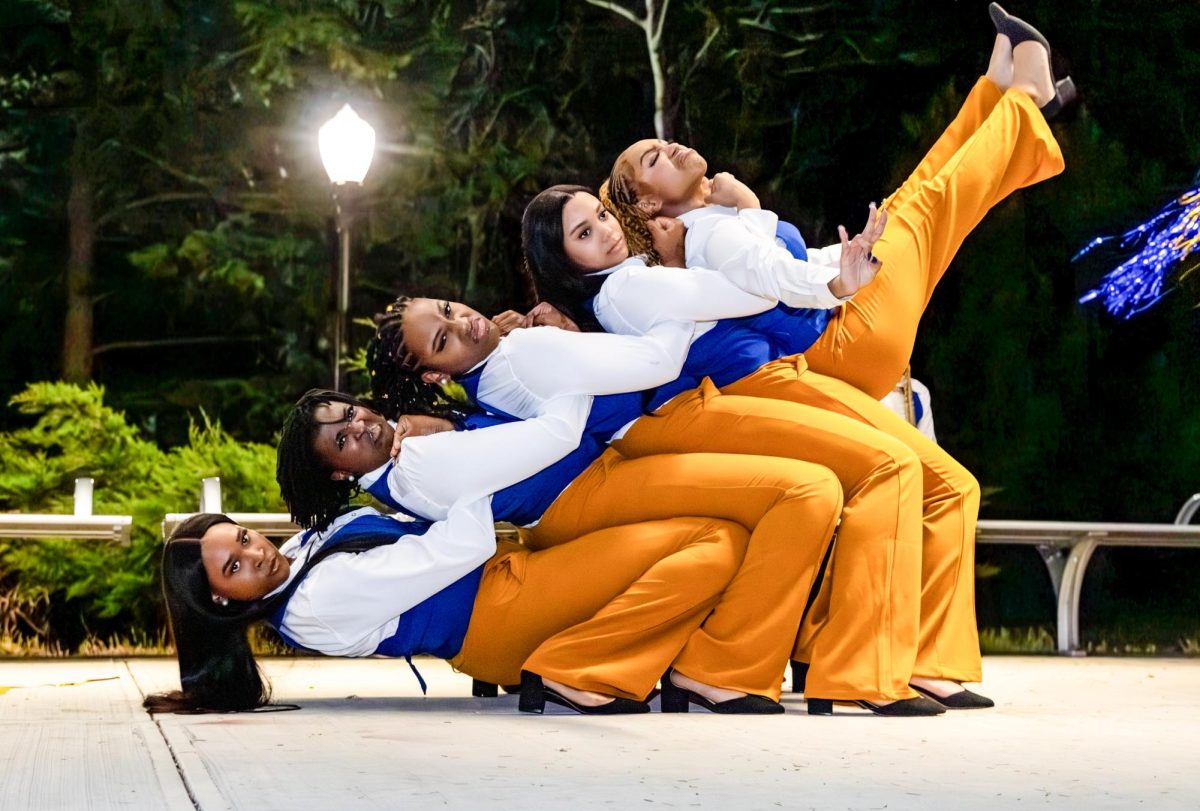
Members of Black Greek organizations, termed as Divine Nine organizations, shared information about their chapters and campus resources. The Kappa Phi chapter of Alpha Kappa Alpha Sorority Inc., the first Black sorority at Hofstra, is celebrating 50 years in May.
Corey Champagnie, a senior community health major, attended the event representing both the Caribbean Student Association and Alpha Phi Alpha Fraternity Inc.
“I love seeing the Black community coming together,” Champagnie said. “There’s a large portion of the Black community on campus that doesn’t know these things exist. This was very good exposure.”
While Black@Hofstra centers around Black identity and culture, Morales and Craig emphasized that the event is open to the entire Hofstra community.
“Events like this are very important because they help create community and provide opportunities for people to learn from others who may not identify like them,” Morales said.
“It subconsciously tells young people that they, too, can achieve their goals and be successful. It says, ‘If they can do it, I can do it too.’”
Craig echoed that sentiment, noting that sustained institutional commitment helps ensure those spaces remain strong.
“It’s important that we keep these events strong,” Craig said. “When our organizations thrive, the community thrives.”
Morales said Black@Hofstra will continue alongside other identity-centered initiatives such as Queer@Hofstra, Women@Hofstra and Asian American Native Hawaiian Pacific Islander (AANHPI)@Hofstra.
Ultimately, Morales said, the goals extend beyond celebration.
“The purpose of Black@Hofstra is to create a space where students, faculty, staff and administrators can come together to build community and network,” Morales said. “In many ways, life is not just about what you know, but also about who you know.”