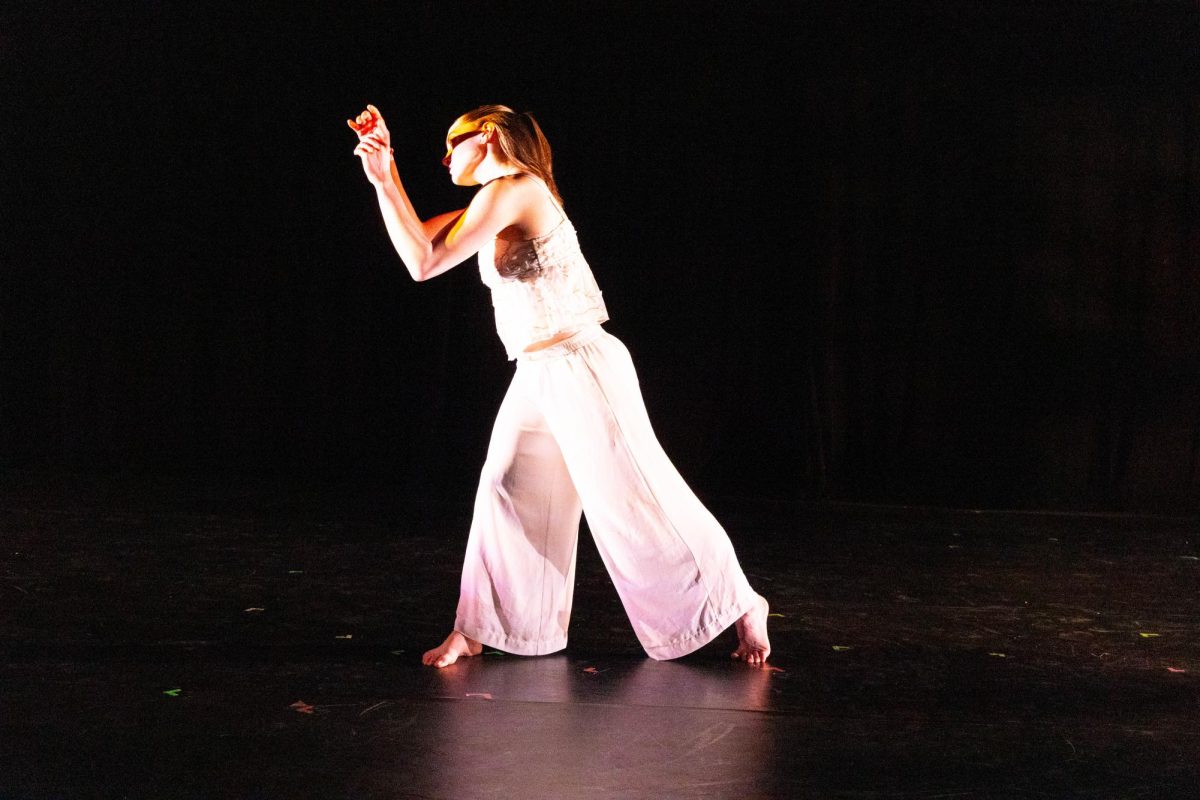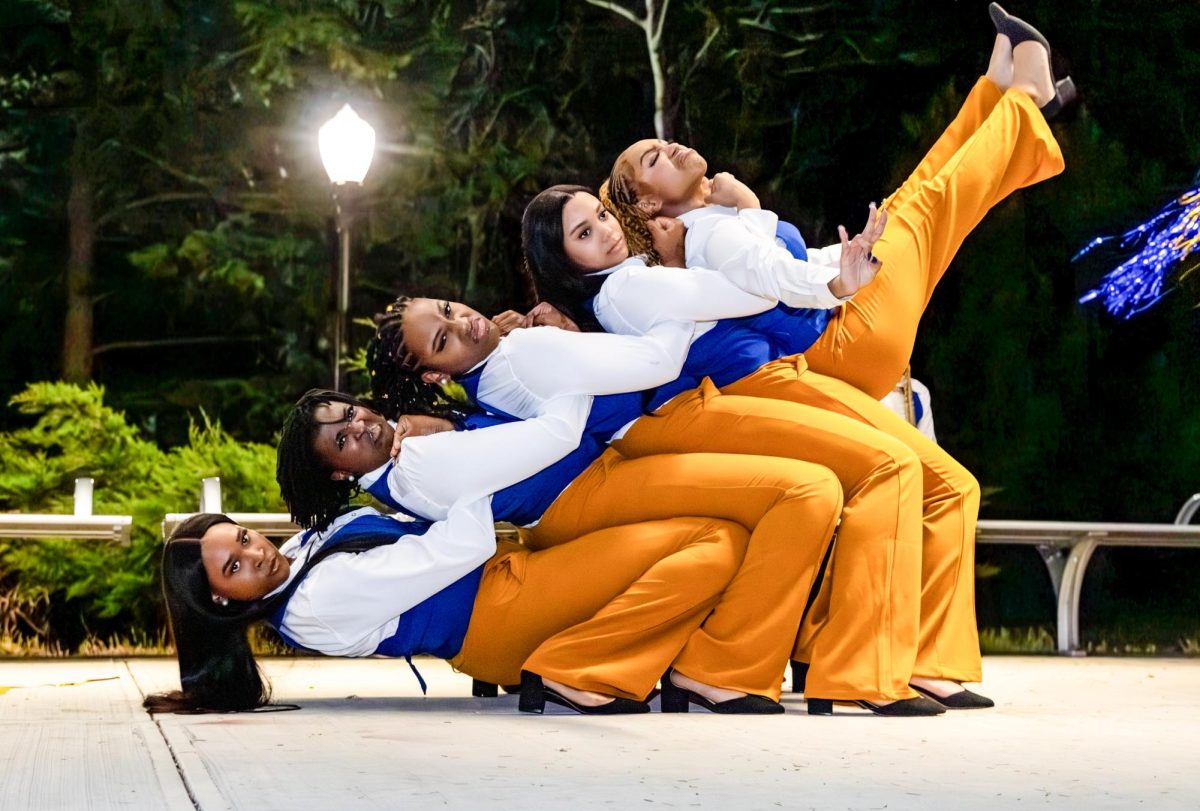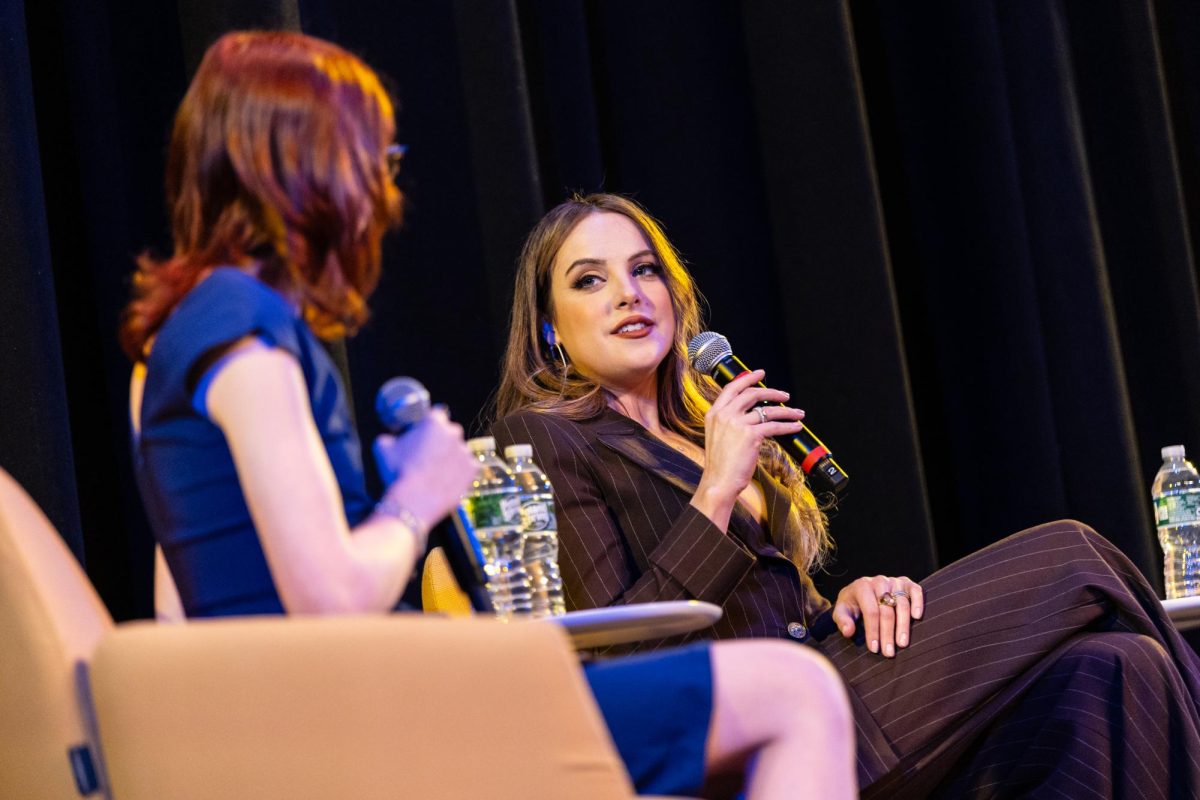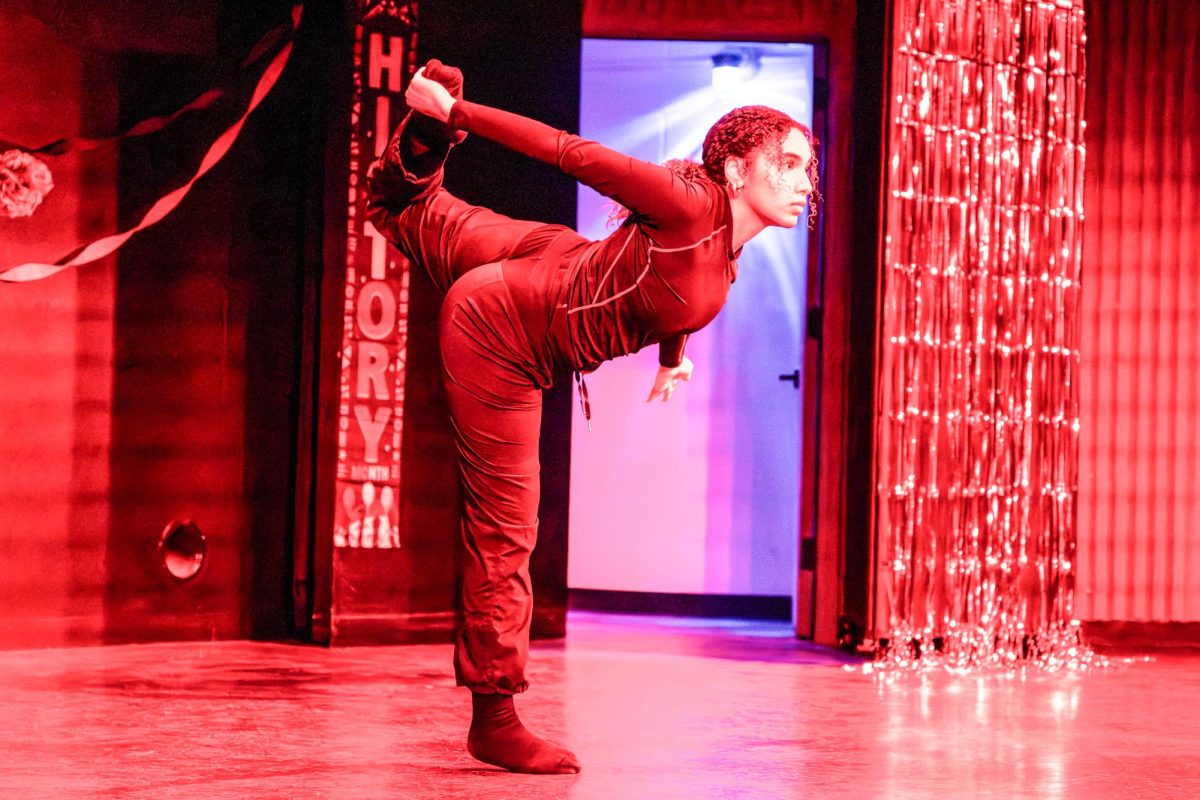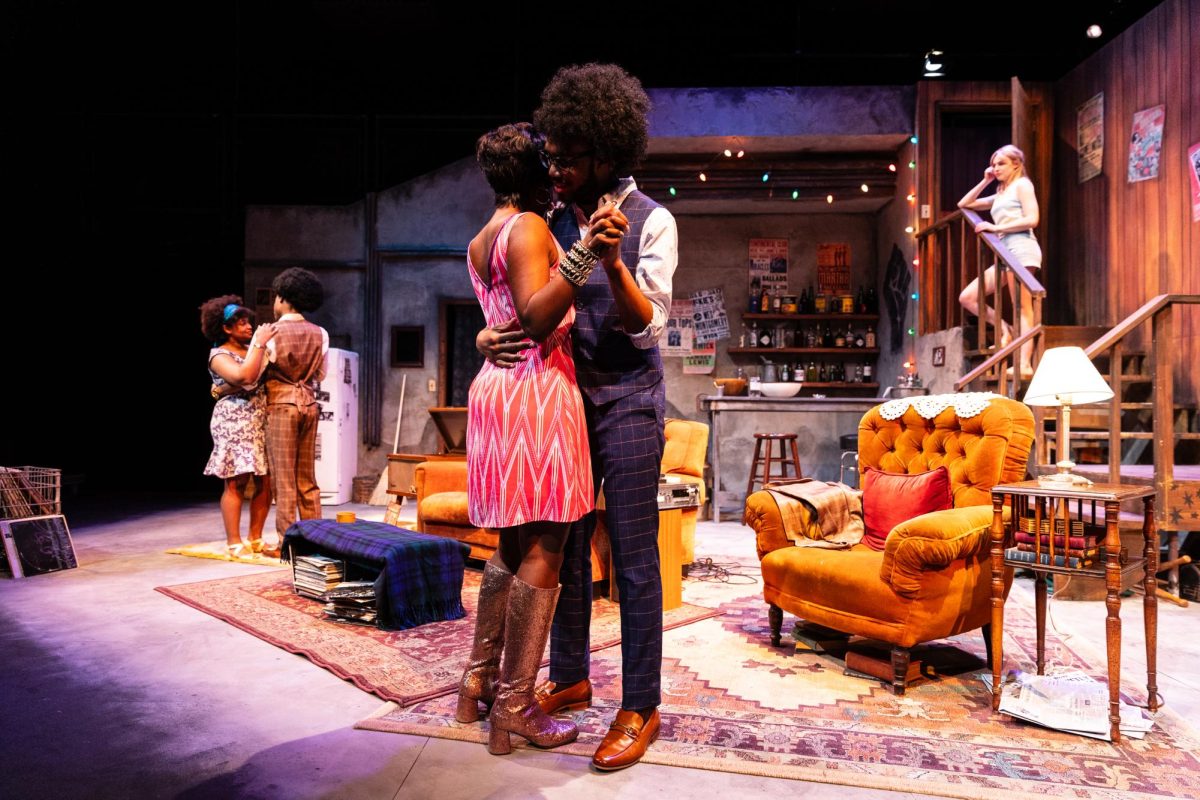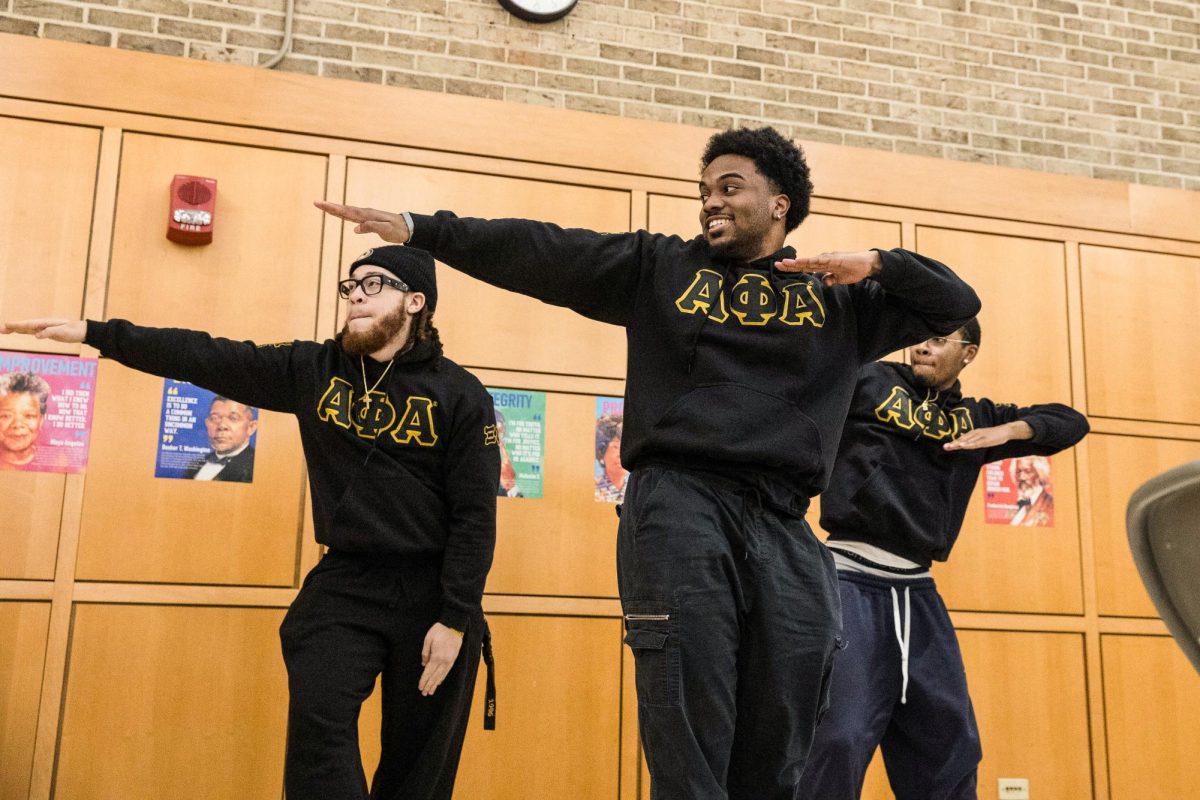
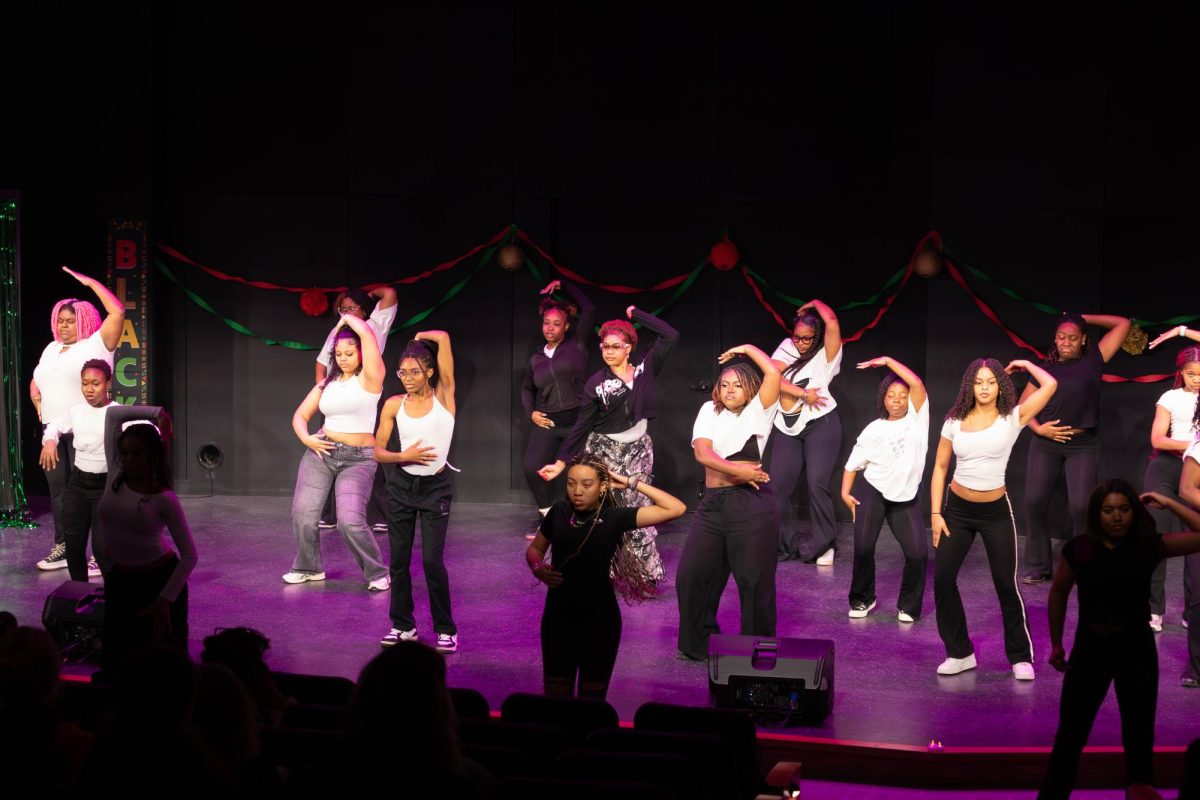
Melanin Movers held its first Black History Month showcase in collaboration with Hofstra University’s Cultural Center on Feb. 27. “Soul, Sound and Story Showcase” featured various student performances, a short film and a documentary that highlights Black history.
Melanin Movers is a student-based club created to offer diverse dancers a safe space with professional opportunities on Hofstra’s campus. The e-board of the club collaborated with Maiya Redding, special assistant professor of dance and drama, on the idea of the showcase.
“Our e-board consists mainly of people within the dance department,” said the club’s vice president, Camille Gordon, a senior dance major. “We were brainstorming ways to integrate Melanin Movers more in the dance department – especially when it comes to Black representation, because there’s so little of it here.”
Redding worked closely with Melanin Movers to create the event. Planning for the event began in Oct. 2025.
“This showcase was created to celebrate and highlight the talented Black artists on campus,” Redding said. “Its purpose was to give people of color a platform to share their stories and build a stronger, more connected community across campus.”
Gordon said that, while Hofstra has many outlets for Black voices to be heard and uplifted, it does not have as many when it comes to the arts, especially in dance. She said that their goal with the showcase was to create a setting where there weren’t limits set on what students can do.
“We had a beautiful spoken word, a couple of dances, Creativz performed [and] Hofstra Gospel Ensemble performed. [Redding] showed a video that she created, and we had a freshman dance major – Layla McNeil – sing,” Gordon said.
Redding said that the video she presented during the showcase was an excerpt from a larger work titled “Bright Lies, Dark Truths.”
“The piece explores themes of code-switching and Black masculinity while reflecting on the broader experience of being a Black person in America,” Redding said. “The ending excerpt combines ‘Over the Rainbow,’ sung by Ella Fitzgerald, and ‘Smile,’ by Nat King Cole. I chose to combine these two songs because they both represent hope while also reflecting the act of putting on a smile during moments of pain or hardship – an idea that connects closely to code-switching. The pairing highlights a sense of duality: a longing for freedom and authenticity while also feeling silenced or constrained by societal expectations.”
Public relations chair of Melanin Movers, Widney Borgella, is a junior film studies and production major. She said that the showcase also featured a poem, a documentary about a Christian rapper and a one-minute video about senior television production studies student Renelle Wilson’s life as a Black queer woman.
“I feel like this showcase shows that we are here, and we’re here to stay and our voices need to be heard,” Borgella said. “We’re here to show that Black history is not just for one month; it’s for 365 days.”
Melanin Movers received the Spring 2026 Cultural Center Grant through the Cultural Center’s Advisory Board, which funded the event and secured a space in The Fortunoff Theater in Monroe Lecture Center.
This year’s showcase was the first of its kind, and – according to Borgella – Melanin Movers hopes to make it an annual event at Hofstra.
“The turnout was great,” Borgella said. “I was not expecting to see that many dance majors, actually.”
Gordon said that, with her being a senior, she hopes that the showcase grows and creates the opportunity for alumni to come back to perform or choreograph.
“I hope more people attend and that we can call alumni back,” Gordon said. “I would love to come back and perform or choreograph something. I think it’s really important to connect the past and the present in the future. My only hope is that it continues.”
Gordon said this showcase is important to have on Hofstra’s campus because it is local, and it shows that students want to have an outlet within the school to express themselves and be able to do so without limitations. She said that art is the biggest connection that we have to each other.
“I think it’s really important that students of color showcase their artistic abilities because often we get put in a box of how we should act and how we should carry out our lives,” Gordon said. “It’s important to show that, especially within the Black community, art is one of the most important things.”