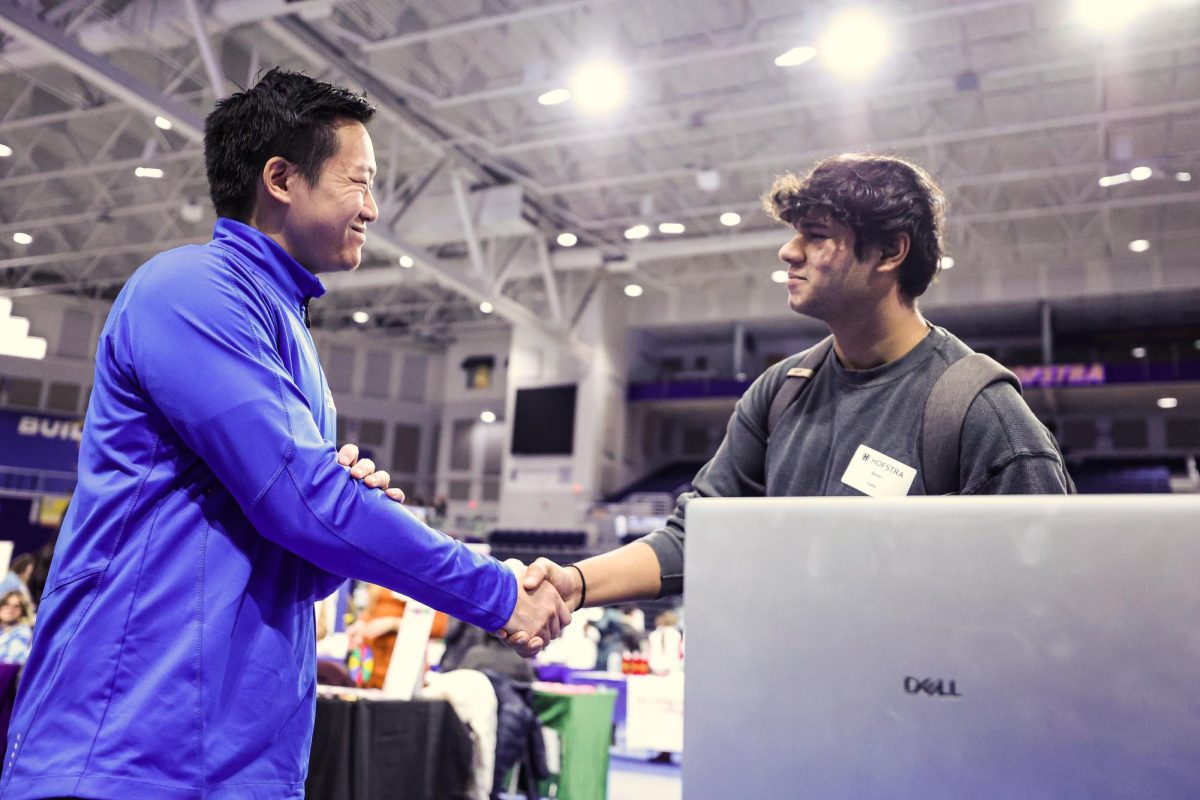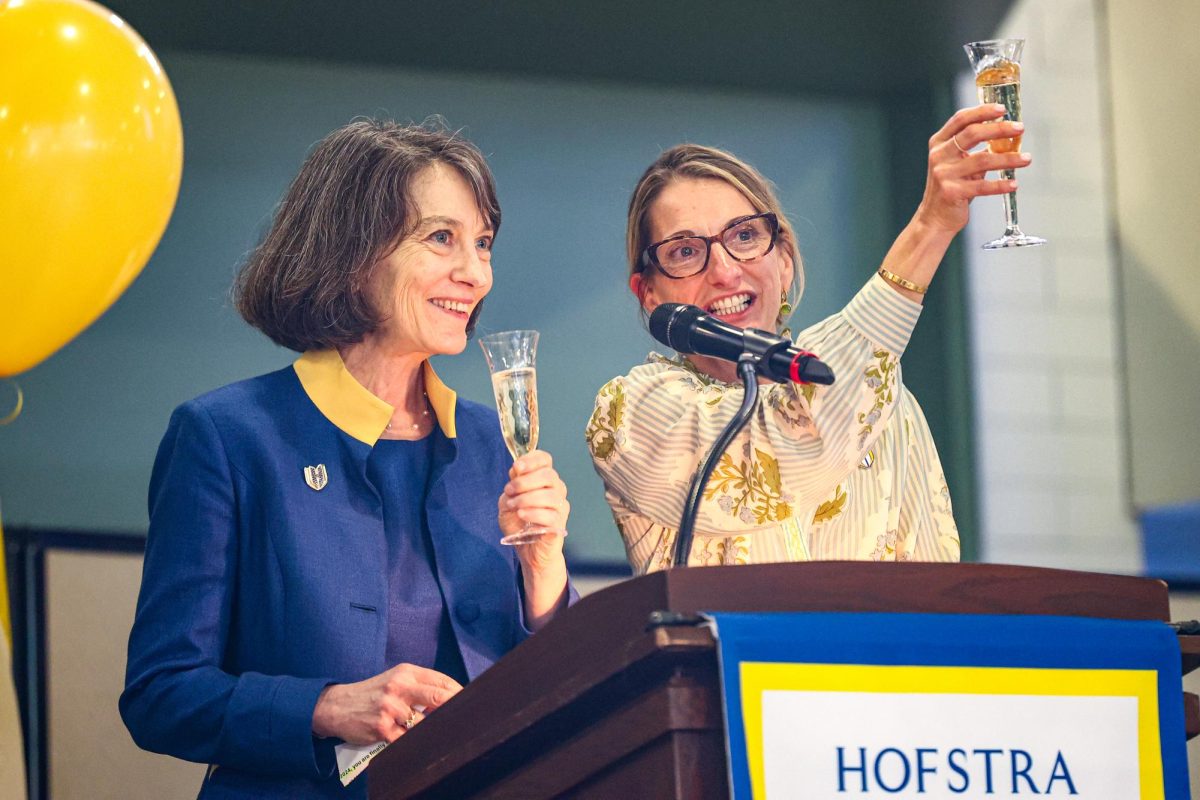

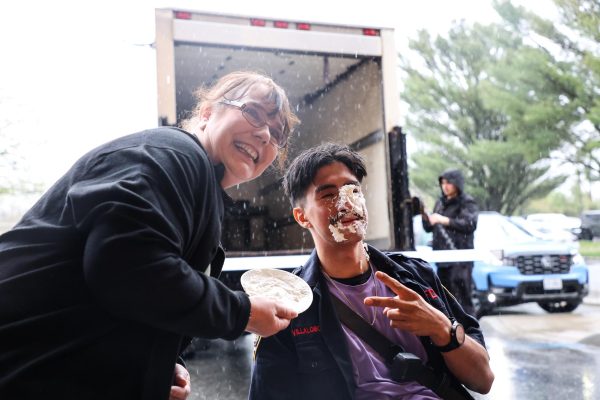
Hofstra University’s American Cancer Society hosted the 19th annual Relay for Life ceremony on April 25 to raise funds for cancer research across the world. Hundreds of students, faculty and community members came out to support the cause, with many on-campus clubs and organizations assisting with setup as well as fundraising efforts.
The event took place from 2 p.m. to 8 p.m. in the Hofstra Fitness Center to bring awareness to both people diagnosed with cancer and people who have been caregivers and understand the toll of cancer.
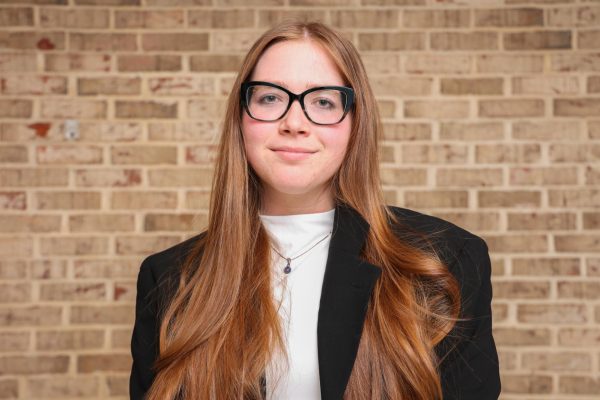
Gabriella DeLeon, a junior health science major and president of Hofstra’s American Cancer Society, has participated in Relay for Life since high school, joining the university club in her freshman year.
DeLeon has lost multiple family members to cancer, which is why the Relay for Life event is so meaningful for her.
“We have so many students that come and bring their families, and we get to honor them,” DeLeon said. “I think it really gives our students perspective on what having cancer could be like for someone. It gives our students more empathy and the ability to relate to populations different than their own … That’s a really important part of our club and this event.”
Relay for Life is about bringing together community. However, it’s the students that truly help make a difference.
Julia Fielding, a junior public relations major and public relations chair for Hofstra’s American Cancer Society, was one of the primary club members using advertising to make this event possible.
Fielding said that, while she advertised Relay for Life through social media, it was more meaningful when she personally contacted people on campus to help.
“Seeing people come and represent their different clubs here is really cool,” Fielding said. “We’re not just coming together as Hofstra students, but we’re coming together as different forms of our identities that represent us here on campus … An event like this is not only targeted towards the Hofstra population, but it allows people to also represent what they do here at school.”
While on-campus organizations began to set up their fundraising tables surrounding the fitness center’s basketball court, others set up colorful paper bags with motivational messages for the luminaria ceremony at the end of Relay for Life. Each bag was hand decorated by students and community members, bringing color to the track.
Later into the night, participants were invited to walk the path created by the luminarias in honor of those who are still fighting the battle against cancer and those that have lost their lives to cancer.
Ryan Fettinger, a senior drama and sociology double major and member of Alpha Psi Omega, walked the second lap with several others, holding a banner to represent those who were caregivers of those with the disease.
“[My mom] was diagnosed [with cancer] when I was 12 years old, and she passed away when I was a sophomore in college,” Fettinger said. “So, I started to do it in memory of her.”
Several survivors of cancer and students that had personally been impacted by the disease gave speeches at the beginning of the ceremony. These speeches, while sentimental, were also inspirational to those who may be struggling.
Lexy Mealing, a cancer awareness advocate and a previous speaker for Hofstra’s Relay for Life, found that sharing her story with college students helped to raise awareness about preventative measures against cancer and the impacts cancer may have in their future.
“I believe that sharing your story is the most powerful tool because sharing your story can save someone’s life,” Mealing said. “Sharing your story could encourage someone to be their biggest advocate.”
According to the World Health Organization, cancer impacts nearly one in five of the population directly and indirectly harms millions more each year. Even so, college students are often less aware of how to see the warning signs and how to prevent the disease early on.
“There are definitely those in our own Hofstra community that are impacted by cancer, but I feel like on the surface, that’s something that not everybody would be thinking about,” Fielding said. “I think that we can do more to educate people and make them aware of cancer, as well as what you can do in terms of early screenings and taking care of yourself. It makes [life more] meaningful, and I think that is what makes this event more special to us.”