
Several student organizations at Hofstra University, including the Office of Intercultural Engagement and Inclusion, Hofstra’s organization of Latin Americans and the Commuter Student Association, hosted a celebration for Día de Los Muertos (Day of the Dead) on Oct. 27. The event took place from 1 p.m. to 2:25 p.m. in the plaza rooms at the Sondra and David S. Mack Student Center and offered activities, snacks and an ofrenda, or offering table, for attendees.
The culture and traditions of the holiday were introduced in a presentation to kick off the event.
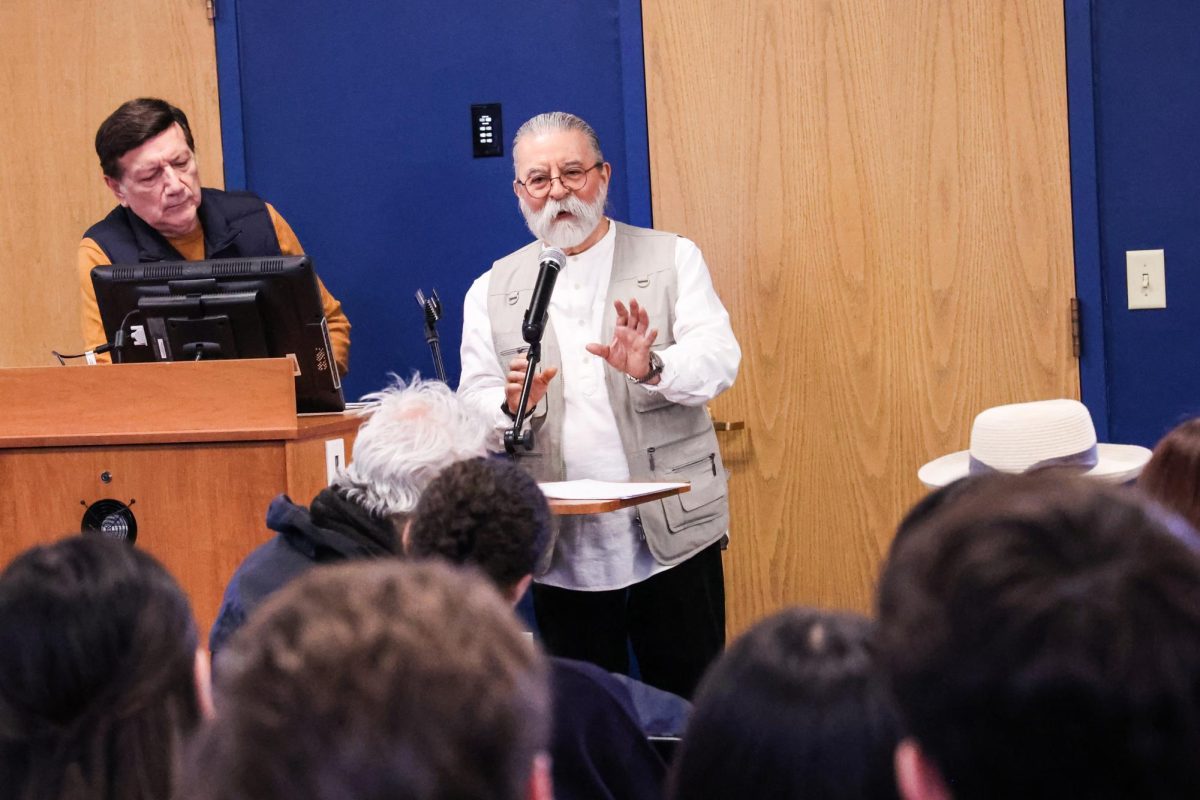
“This is a vibrant Mexican holiday that is celebrated over two days,” said Hugo Morales, associate director for Intercultural Engagement And Inclusion, in his presentation. “Día de Los Muertos is derived from an Aztec festival dedicated to the goddess of death and it celebrates both life and death.”
Part of the presentation highlighted the cultural differences between Halloween and Día de Los Muertos.
“The one thing I’d like to mention is, it is not Halloween,” Morales said.“Halloween is a one-day celebration. It’s an old, Irish, Gaelic celebration … basically telling, ‘it’s time to store food to prepare for the colder months.’”
Skulls, sugar candies, banners and more covered the tables and walls to replicate traditional decorations for the holiday.
“We wanted to keep it traditional to what Día de Los Muertos stands for, so [by] keeping the sugar skulls [and] having the ofrenda tables instead of just having fun activities, there’s a real connection to the event,” said Sterling Young Wells, who works for the Office of Intercultural Engagement and Inclusion.
An ofrenda, located at the front of the room, was available for students and all attendees to place mementos, pictures or memorabilia in honor of loved ones who have passed.
“I think events like this educate the community, even if you’re not of the heritage that celebrates, it just makes people aware of other communities and their own community,” Wells said.
Traditionally, ofrendas contain foods, beverages and items that passed loved ones cherished. In planning, cookies shaped as skulls were set up both for the ofrenda and for students to enjoy and decorate.
“You’ll see a lot of skulls throughout this event,” Morales said. “And the skull represents the deceased souls in a celebratory way, symbolizing the sweetness of life and embracing death as a part of life’s [cycle.]”
The event brought in both attendees with knowledge of the culture behind Día de Los Muertos and those who were unfamiliar with the tradition, which empowered them to learn and understand the true significance of the holiday.
“I really love events like these,” said Claudia Heger, a freshman linguistics major. “I took Spanish all through school and I’ve always thought Día de Los Muertos is so cool. I also just love cultural events because I’m interested in language and culture.”
Other students attended the event because of their personal connections to Día de Los Muertos.
“Events like these make me feel right back at home,” said Jaqueline Galdamez Lopez, a freshman health science major. “Even though certain countries do it, anyone can do it. It’s a nice way to remember those who have passed, and it brings everyone all together.”
Events like Día de Los Muertos fill First Year Experience (FYE) requirements for freshmen while allowing students to engage in different and familiar cultures and the activities that go along with them.
“Honestly, I came because I need the FYE requirement but also, it matches with my culture,” said Ian Beckwith, a freshman sports media major. “My mom is from Costa Rica. So, if I need to get the requirement, I might as well do it at something that kind of connects to me.”
The event focused on the importance of remembering loved ones who have passed away.
“I hope students see if they are a part of this culture that they are part of a background that celebrates and remembers their loved ones, because that is the whole point of today,” Wells said.